Why Is My Refrigerator Center Strip So Hot?
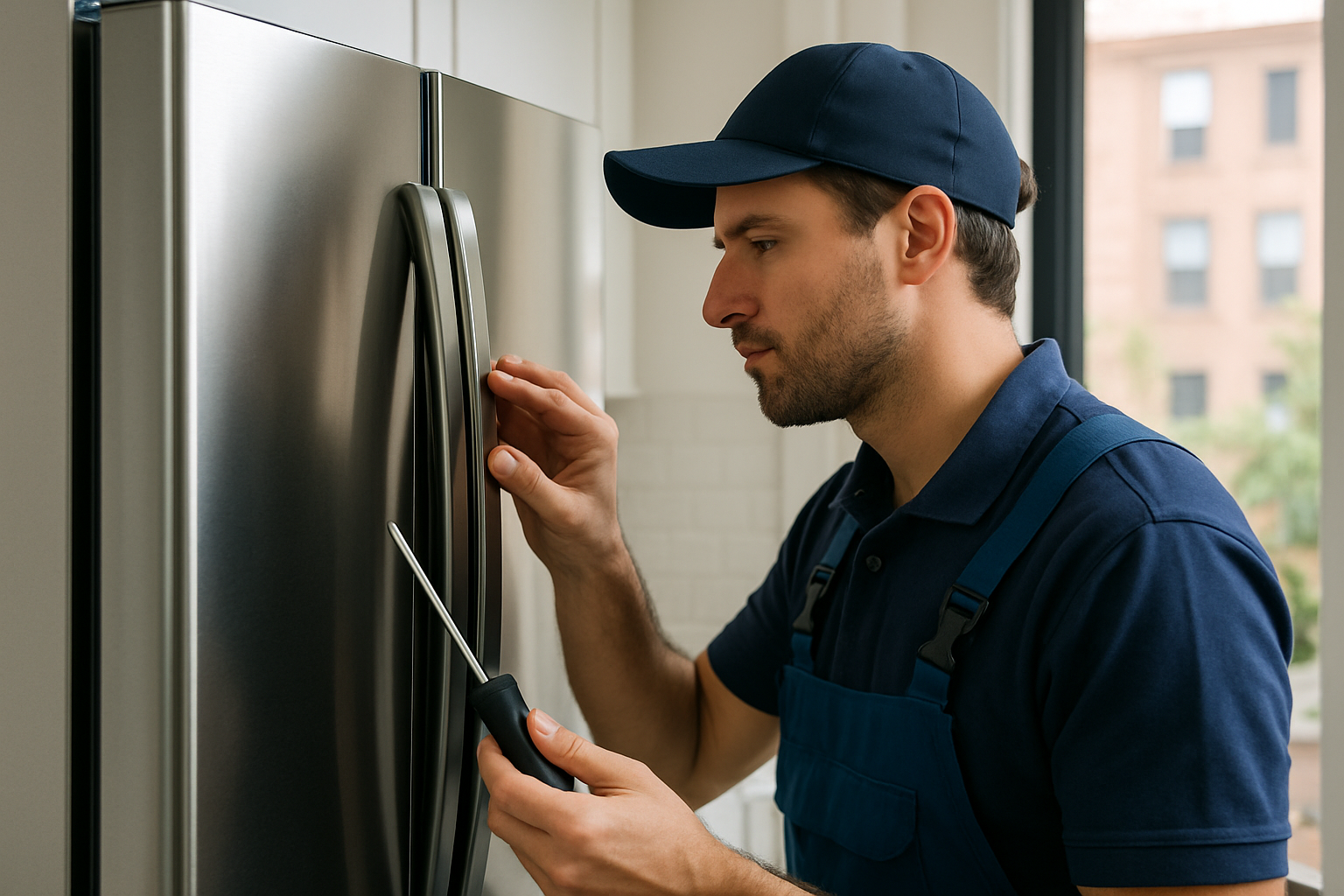
A hot refrigerator center strip can be unsettling, particularly when moisture appears around the doors or you worry about overheating. In many models, however, warmth along the vertical strip between the doors is intentional. Called the mullion or stile, this area may be warmed by an anti-condensation heater or refrigerant tubing to reduce sweating and support a dry gasket seal.
Why the Center Strip Can Feel Warm
Refrigerators move heat out of the fresh-food and freezer compartments. Some heat is released through the condenser area, while certain models intentionally direct warmth near the door opening to manage condensation. The center strip may feel warmer after frequent door openings, during humid weather, or when the refrigerator is recovering from a large grocery load.
Warmth by itself does not prove that a part has failed. A strip that is warm but comfortable to touch, combined with stable cooling and properly sealed doors, can be normal for that refrigerator’s design. Moisture around the doors may also result from high indoor humidity or a gasket that is not sealing evenly. The useful distinction is between expected warmth and a strip that is persistently very hot alongside other operating problems.
When the Heat Needs Closer Attention
A center strip that is very hot, stays hot for long periods, or occurs with poor cooling deserves an inspection. Excess cabinet heat can develop when the refrigerator has trouble rejecting heat efficiently. Restricted airflow around the condenser area, lint buildup, or a condenser-fan concern can make the compressor compartment work harder.
Still, the hot strip cannot identify one failed component. A model may have a specific anti-sweat design, a door alignment problem, a gasket leak, an airflow issue, or another condition that requires evaluation in order. Watch for changing food temperatures, frost buildup, condensation near the door opening, unusual fan noise, repeated clicking, or display error codes. Those details help a technician assess the complete appliance rather than diagnosing the refrigerator from one warm surface.
Safe Checks Before Scheduling Service
Confirm that both doors close completely without packages, bins, or drawers preventing them from sealing. Look for visible debris on each gasket and check whether the gasket sits evenly against the cabinet. Do not pull, reshape, or disassemble the door seal.
Document whether the strip is mildly warm, very hot, or uncomfortable to touch. Note any changes in fresh-food or freezer performance, moisture around the doors, unusual sounds, error codes, and current temperature settings. If you have a thermometer, record actual compartment temperatures.
Check the externally accessible clearance around the refrigerator. If the owner manual identifies a removable grille or toe-kick for cleaning, remove only visible lint as directed. Do not remove rear panels, reach into the compressor compartment, test wiring, or take electrical measurements. For cooling concerns, Refrigerator repair in Westchester County can begin with temperatures, airflow, door sealing, and the refrigerator’s design.
What a Technician Evaluates
A technician first verifies fresh-food and freezer temperatures because cabinet-surface heat means little without confirming cooling performance. The next step is identifying the model’s anti-condensation strategy. Some refrigerators use an electric mullion heater, while others route warm refrigerant through a cabinet stile or use another moisture-control design.
The inspection may include condenser cleanliness, condenser-fan operation, compressor-compartment airflow, applicable control settings, door-gasket contact, cabinet alignment, internal fan operation, and defrost conditions. Sealed-system performance should be evaluated only after those basics and model-specific procedures are considered.
Stop using the refrigerator and arrange service if you notice smoke, a burning odor, damaged wiring, repeated breaker trips, or worsening food-temperature control. Move perishable food to a safe cold location if proper temperatures cannot be maintained. For GE models, GE refrigerator repair in Pelham may be relevant. Appliance repair in Bronxville provides broader local service information.
Frequently Asked Questions
Is it normal for the strip between refrigerator doors to feel warm?
Yes. Many refrigerators intentionally warm the mullion area to reduce condensation near the door seals. A strip that is merely warm, with stable compartment temperatures and no electrical warning signs, is generally less concerning than excessive heat with cooling problems.
Why is my refrigerator center mullion too hot to touch comfortably?
Persistent excessive heat may occur when the refrigerator is working harder to reject heat or when airflow is restricted. It may also relate to the model’s anti-condensation design. Touch alone cannot determine the cause or identify a failed part.
Can dirty condenser coils make the refrigerator frame hotter?
A dirty condenser area can reduce heat rejection and make the refrigerator work harder. If the owner manual permits access through a grille or toe-kick, remove visible lint safely. Internal cleaning, fan testing, and diagnosis should be left to a technician.
Can a condenser-fan problem affect the center strip?
Condenser-fan operation affects how efficiently heat leaves the refrigerator. A fan concern may contribute to higher cabinet heat, but the center strip cannot confirm a failed fan without testing, airflow checks, and inspection of the complete refrigeration system.
Should I keep using my refrigerator if the center strip is very hot?
If cooling is stable and there are no electrical warning signs, document the symptom and arrange evaluation if it continues. Stop use for smoke, burning odor, breaker trips, damaged wiring, or worsening food temperatures, and protect perishables.
You might also like