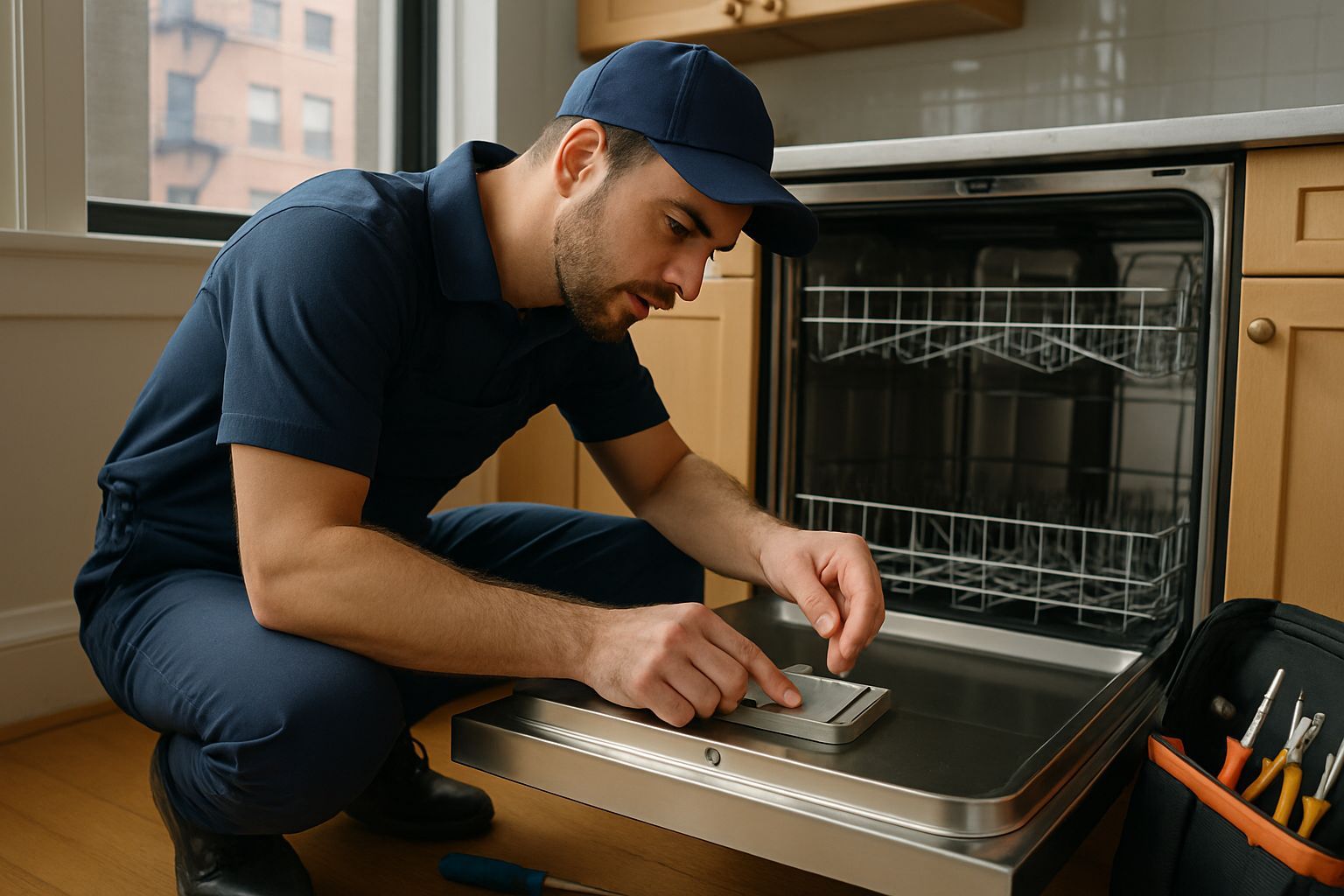
Why Does My Washer Fill With Cold Water on Every Setting?
A washer that fills with cold water on every setting is frustrating, particularly when warm or hot is selected. Temperature behavior varies by model and cycle: some washers intentionally blend incoming water or limit hot-water entry. Yet a consistently cold fill can also involve the supply, hoses, inlet components, wiring, or controls. The key is whether the selected cycle behaves as the manufacturer intends.
A Warm or Hot Setting May Use Mixed Water
Choosing warm or hot does not necessarily mean the washer will fill entirely with unblended household hot water. The machine may mix supplies, fill in stages, or regulate inlet temperature differently for a particular cycle.
A normal cycle may use cooler or mixed water even with a warmer selection, while another approved cycle may call for more hot-water entry. Internal programming or sensor input can also affect the fill.
Rather than relying on a quick feel at the start, consult the owner manual for the exact cycle and temperature combination. Run one documented test, noting the selection, when water enters, any change on another approved cycle, and displayed codes or unusual behavior. If the manual expects hot water but every approved test is cold, continue with basic checks.
Confirm Hot-Water Supply and Hose Routing
Make sure both household shutoff valves are fully open. A partly closed hot-water valve can restrict flow enough that the washer receives little or no hot water while cold water fills normally. Behind the washer, look for hoses that are sharply bent, crushed, or pinched. A restricted hot-water hose can cause a temperature problem without an obvious leak.
Also confirm hoses connect to the correctly marked washer inlets; reversed hoses can deliver the wrong supply for a selected temperature. Do not disconnect pressurized hoses merely to investigate unless the owner manual directs it. If a hose leaks or is damaged or severely deteriorated, stop using the washer instead of making a temporary repair.
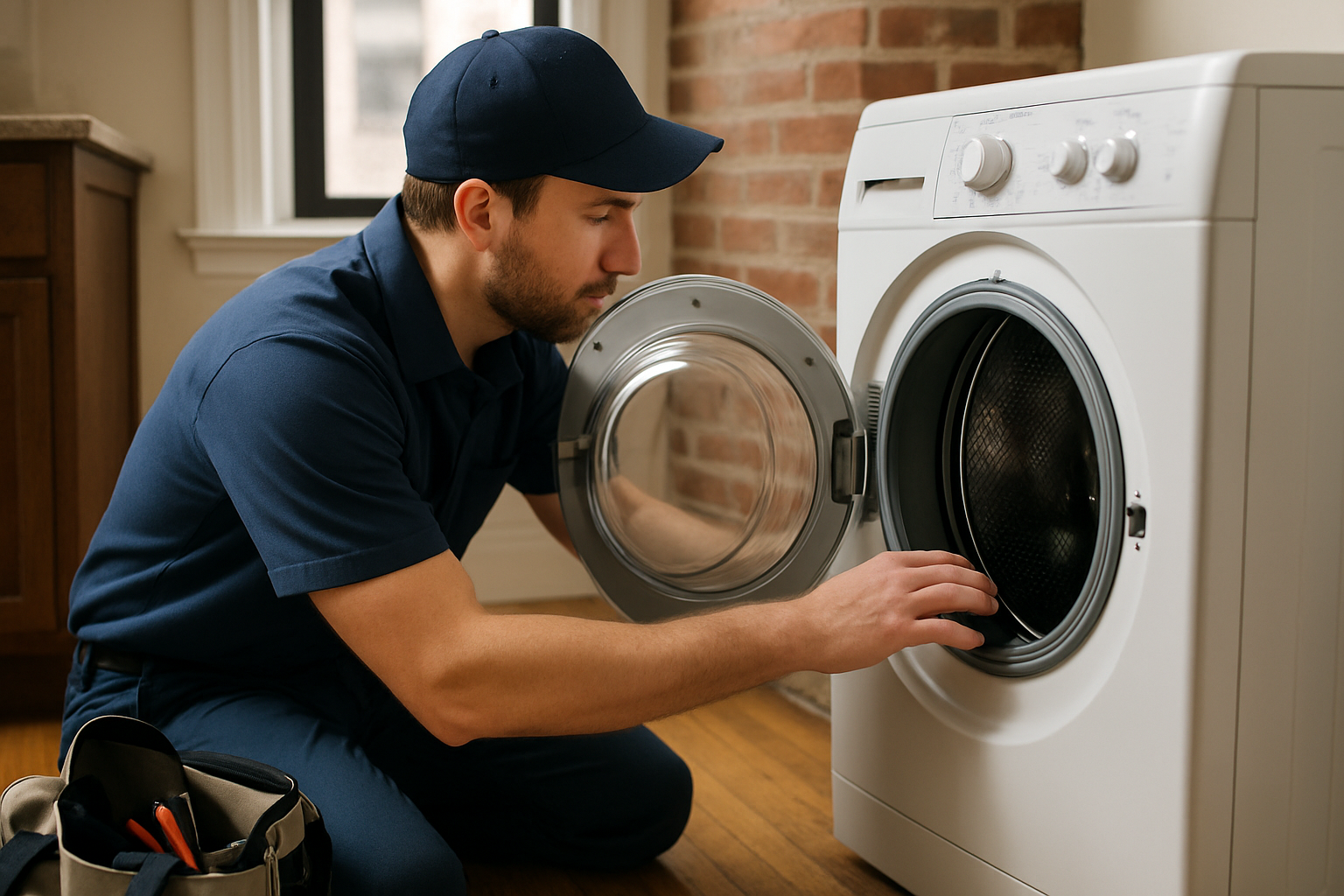
Inspect Accessible Inlet Screens With Care
Many washers have inlet screens where supply hoses connect. Mineral buildup or debris can reduce flow through one side of the inlet. If the owner manual permits cleaning, turn off the water supply and unplug the washer first. Clean only screens that are externally accessible, and follow the manual's directions for the specific model.
Do not pry into the inlet assembly, force out screens, or disassemble parts not intended for homeowner maintenance. Damaging a screen or fitting can create a leak or send debris into the valve assembly. A clean-looking screen does not rule out every restriction: hose condition, supply flow, and internal inlet components may still require evaluation.
Consider Diagnosis and Know When to Stop
It is tempting to blame the inlet valve, but cold-only filling does not prove a valve failure. A technician first confirms expected cycle behavior, then checks hot- and cold-water availability, hose placement, restrictions, and screen condition. Model-specific diagnosis may include observing whether each valve is commanded and testing valve-coil operation. Wiring, connectors, temperature selection, thermistor input, stored faults, or control output can also affect temperature filling. Replacing a part before identifying the cause can leave the problem unresolved.
Stop using the washer for leaking hoses, a damaged power cord, burning odor, smoke, or breaker trips. Otherwise, record affected settings and codes before arranging washer and dryer repair in Pelham. For qualifying models, GE appliance repair in Pelham may offer a model-focused path; appliance repair in White Plains is another nearby option.
Frequently Asked Questions
Why does my washer use cold water when I choose warm or hot?
Some washers blend supplies or limit inlet temperature on certain cycles. Check the owner manual for the exact cycle and setting; cool water at the start, especially during staged filling, does not alone establish a malfunction.
Does a washer that fills with cold water always need a new inlet valve?
No. Supply conditions, hose routing, inlet screens, wiring, temperature inputs, programming, and control output can contribute. The valve should be tested within the washer's model-specific operation rather than replaced from this symptom alone.
Can reversed hoses make a washer wash with the wrong water temperature?
Yes. Hoses connected to opposite marked inlets can send the wrong supply when the washer commands a temperature. Confirm routing before assuming an internal failure, but do not disconnect pressurized hoses merely for a check.
Why does one cycle use hot water but another one does not?
Cycle programming can change temperature management. One approved cycle may call for more hot-water entry, while another blends water, limits inlet temperature, or uses a different fill sequence. The owner manual identifies expected behavior.
Should I keep using my washer if it will not fill with hot water?
Stop using it for a leak, electrical damage, burning odor, smoke, or breaker trip. Without those concerns, avoid repeated testing, document results and codes, and seek service if approved cycles consistently fail to receive expected hot water.
You might also like