Why Does My Dryer Take Two Cycles to Dry Clothes?
When a dryer tumbles, feels warm, and still leaves a normal load damp, the issue is not always a failed heating part. A dryer may need two cycles when the washer leaves too much water in fabrics, moisture cannot exhaust properly, heat is inadequate, or an automatic cycle ends too soon. The goal is to identify which stage is slowing drying safely.
Check How Wet Laundry Is After Washing
Start with the condition of the laundry when it leaves the washer. Clothes should be damp after the final spin, not dripping wet or noticeably heavier with water than usual. If towels, jeans, or other heavy items are consistently very wet, the dryer must remove more moisture than normal before it can finish.
Load size can affect both appliances. An overloaded washer may not extract water effectively, while an overloaded dryer can reduce airflow through fabrics. For a useful comparison, dry a normal-sized load rather than a packed load of heavy mixed items.
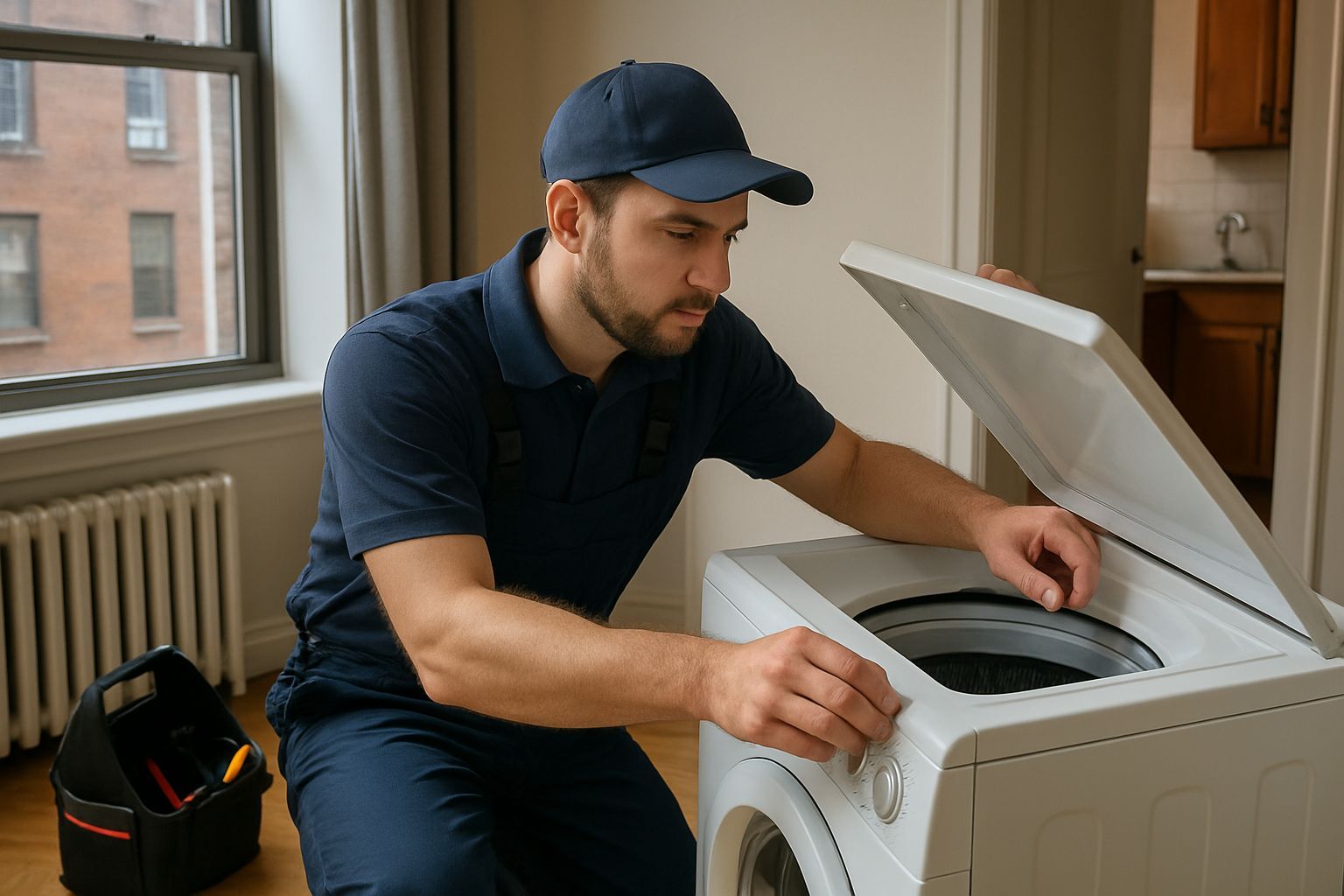
If washer extraction and dryer performance both seem inconsistent, the symptoms may need evaluation together. Washer and dryer repair in Pelham can account for the condition of the load entering the dryer as well as the dryer’s operation.
Look for Airflow Restrictions First
Drying requires heat and steady movement of air through clothing and out through the exhaust system. A dryer can feel warm yet take too long when moist air cannot leave efficiently. Clean the lint screen before every load, but remember that a screen with little visible lint can still have residue from dryer sheets.
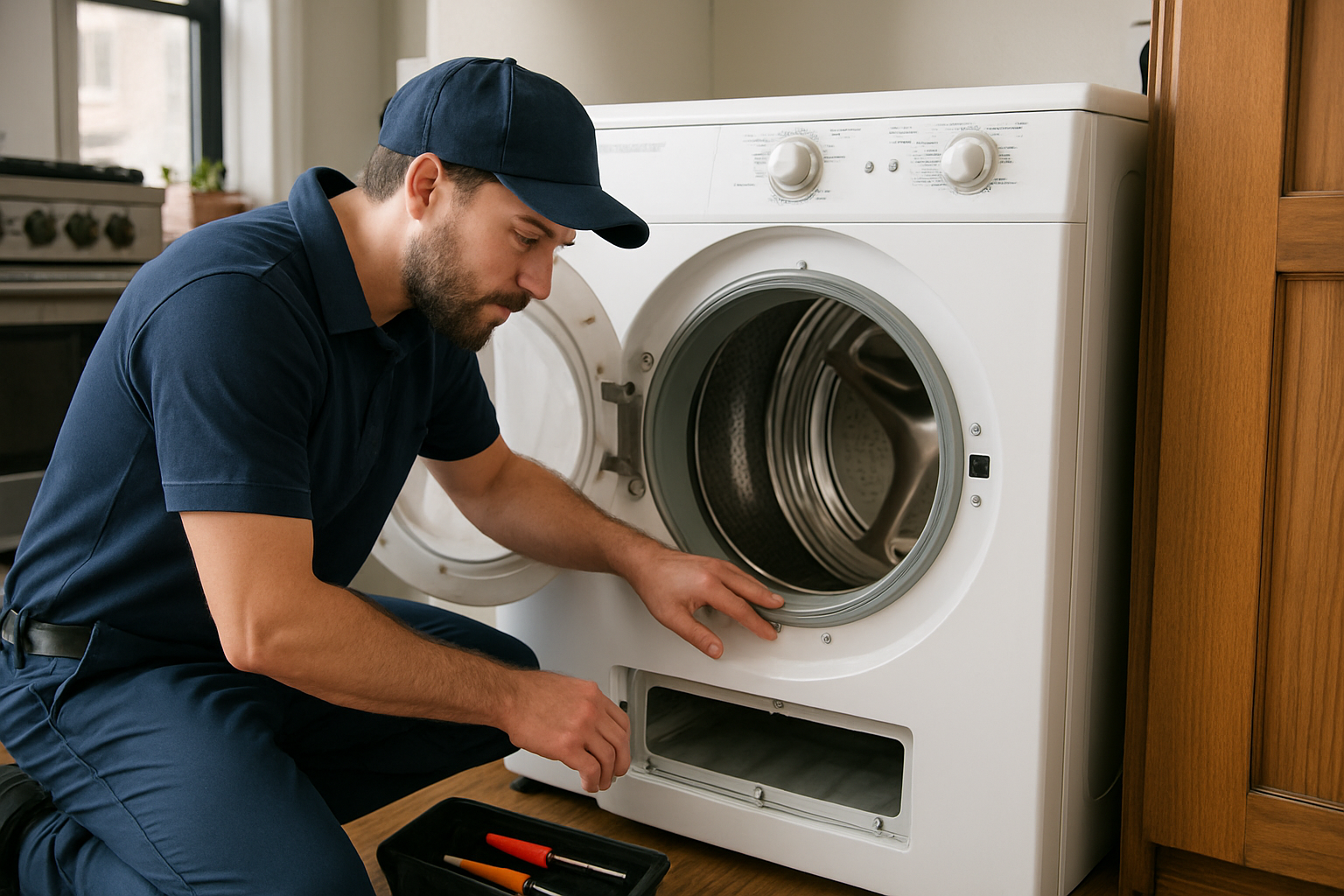
You can inspect the visible flexible exhaust connection behind the dryer for crushing, sagging, or sharp kinks. Do not disconnect ducting yourself or run the dryer indoors. Restrictions may occur beyond the visible connection, so a complete exhaust-path assessment is technician work.
Restricted airflow can extend drying time, contribute to excess heat, and affect automatic-cycle results. For that reason, airflow should be verified before concluding that a moisture sensor, thermostat, heating element, or gas component has failed.
Compare Timed and Automatic Cycle Results
A comparison between cycle types can provide useful information without taking the dryer apart. Run a manufacturer-approved timed cycle with a normal load, then compare the result with an automatic cycle using a similar load. Note the load size, whether clothes were unusually wet from the washer, the final dryness result, odors, and displayed error codes.
If the timed cycle dries the load more effectively than the automatic cycle, moisture-sensing behavior or automatic-cycle logic may need attention. That pattern does not prove a failed sensor, however. Restricted airflow and uneven heating can change how clothes tumble, how moisture is distributed, and how the dryer responds during an automatic cycle.
For persistent long dry times on a GE model, GE appliance repair in Pelham is a relevant diagnostic option.
Address Heating and Safety Concerns Carefully
“Warm” does not necessarily mean the dryer is producing or cycling heat correctly. It may generate some heat without maintaining enough consistent heat to dry a normal load in one cycle. Temperature inputs from relevant thermostats or thermistors may also affect cycling, so replacing parts based only on a warm drum can miss the underlying issue.
Electric dryers require safe verification of supply voltage, terminal connections, heater operation, and the control path. Repeated breaker trips, a damaged cord, or electrical concerns are not homeowner repair tasks. Gas dryers require model-specific testing under operating conditions because burner operation may be intermittent even when an igniter operates.
Stop using the dryer for burning smells, scorching on clothing, repeated breaker trips, a damaged cord, or unusually hot exterior surfaces. Notes about the load, washer extraction, and cycle results can also help when seeking appliance repair in Port Chester.
Frequently Asked Questions
Why does my dryer run but still need two cycles?
Common causes include excess water left by the washer, restricted exhaust airflow, weak or inconsistent heat, and automatic-cycle sensing behavior. The dryer can tumble normally and feel warm while one of these conditions makes drying take longer.
Can a clogged vent make a warm dryer dry slowly?
Yes. The dryer may still produce heat, but restricted airflow can prevent moist air from leaving efficiently. This slows drying and may affect automatic-cycle performance. A technician should assess the full exhaust path beyond the visible connection.
Why are clothes dry on timed dry but wet on automatic?
This can indicate moisture-sensing or automatic-cycle behavior, but it does not confirm a sensor failure. Airflow and heating should be evaluated first because both can influence how the automatic cycle responds to the load.
Can my washer make my dryer seem like it is failing?
Yes. Laundry that is unusually wet after the washer’s final spin requires the dryer to remove much more water. Compare normal loads and note whether clothes are merely damp or excessively wet when transferred.
When should I stop using a slow dryer?
Stop use for burning smells, scorching, repeated breaker trips, a damaged cord, or unusually hot exterior surfaces. These are safety concerns that require professional evaluation rather than repeated drying cycles.
You might also like